
Sydney outdoor spaces can look perfect at 10 AM and become almost unusable by 3 PM. Harsh western sun, coastal breezes and sudden weather changes can quickly change how comfortable a balcony or patio feels. Wire guide blinds can give you more control without turning the area into a permanently enclosed room.
But choosing them is not simply a matter of picking a colour or deciding between manual and motorised operation. The best option depends on where the opening sits, how much weather it receives and what you actually do in the space.
That matters in Sydney because an apartment balcony in Bondi has different demands from a sheltered patio in the Hills or a large alfresco area in the western suburbs. Start with the space, then choose the blind.
Start With How Your Space Behaves
Spend a day noticing what happens around the opening before looking at products. Where does direct sun land? When does the area become too warm? Which direction does the breeze usually come from?
A west-facing outdoor area deserves particular attention. The afternoon sun sits lower and can shine directly into seating areas when you are most likely to use them after work.
North-facing spaces can behave differently throughout the year. You may want protection during summer while still enjoying useful winter sunlight, so a solution that can be raised and lowered has a practical advantage.
Wind is another variable. An exposed upper-level balcony can experience stronger gusts than a ground-level patio surrounded by walls and landscaping. A large blind also presents a larger surface for wind to act against.
This is why you should assess wire guide blinds against the opening’s orientation, exposure, and everyday use rather than choosing them based on appearance alone.
Designing Blinds For Sydney Patios
A Sydney patio often has several jobs. It might be the breakfast spot on a weekday, a children’s play area in the afternoon and the place where friends gather on Saturday night.
When considering wire guide blinds for patios, think about movement around the opening. If people constantly walk between the kitchen and garden, guides and blind edges should not create an awkward path.
Furniture placement matters too. An outdoor sofa positioned close to the opening may limit access to the operating mechanism. A dining table can create the same issue when you lower or raise the blind regularly.
Large alfresco openings require extra attention because their size can affect the blind’s appearance and performance. The fixing surface must be suitable, and the installation must account for the supporting structure.
The goal is simple: the blinds should work around the way you use the patio, rather than forcing you to rearrange the patio around the blind.
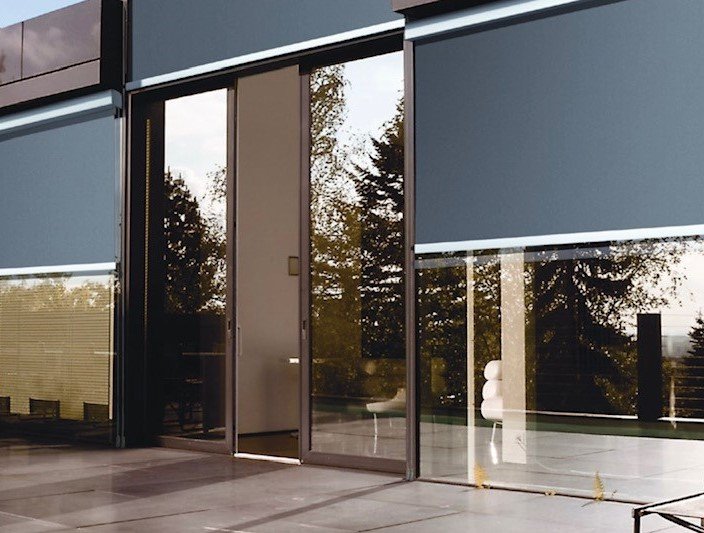
Wire Guided Outdoor Blinds For Balconies
Apartment balconies are usually less forgiving. Space is tight, fixing options can be limited and neighbouring buildings can influence both privacy and wind.
Wire guided outdoor blinds can provide screening while keeping the side-guiding hardware relatively discreet. That can be useful when you want the balcony to remain visually open when the blinds are raised.
Start by considering the view. If your balcony overlooks another apartment block, privacy may matter more than maintaining a completely open outlook. If it faces trees, water or a park, you may prefer a fabric that gives some protection while retaining the view.
Also look at your balcony furniture. Wire guide blinds for balconies need enough clearance to operate without catching on a bistro setting, outdoor lounge or other furniture.
Before installing anything on an apartment balcony, check your strata by-laws, as external blinds may require approval where they affect the building’s external appearance or common property.
Choose Around Your Property Type
Sydney’s housing stock is unusually varied. Terraces, Federation homes, brick suburban houses, townhouses and new apartments can sit within the same broad market, yet their outdoor areas behave very differently.
A narrow terrace courtyard may have limited wall space and a strong connection between the kitchen and rear garden. A newer home may instead have wide stacking doors opening onto a substantial alfresco area.
Older properties can introduce another challenge. Existing brickwork, decorative details or unusual openings may influence where hardware can be positioned. A contemporary blind should look intentional, not bolted onto the building.
For wire guide blinds Sydney homeowners are considering, the property itself should therefore be part of the conversation from the beginning.
A good installer should assess the structure, opening, access, and surrounding elements before recommending a configuration. That assessment can also identify problems that measurements alone may miss.
Compare The Features That Matter
Once you understand the space, compare systems based on practical details rather than a long list of specifications.
| Feature | What to look at | Why it matters |
| Fabric | Light control, privacy and outdoor suitability | Determines how the space feels when the blind is down |
| Guide wires | Position, tension and fixing method | Helps keep the blind aligned during operation |
| Operation | Manual or motorised control | Affects convenience and everyday use |
| Opening size | Width and drop | Influences the appropriate configuration |
| Hardware | Finish and material | Affects appearance and suitability for outdoor conditions |
| Installation | Mounting surface and structure | Supports reliable operation |
| Maintenance | Cleaning and servicing requirements | Helps preserve appearance and performance |
Stainless steel is often an attractive choice for outdoor hardware because its restrained appearance suits modern façades. Stainless steel wire guide blinds can therefore suit homes where visible hardware needs to remain subtle.
Still, hardware alone should not drive the decision. A premium-looking component cannot compensate for an unsuitable fabric, poor placement or an installation that ignores the property’s structure.
Think About Sydney’s Outdoor Lifestyle
Outdoor areas are rarely used in one predictable way. A balcony may become a quiet workspace during the week and an entertaining area on Friday night. A patio may sit empty through the hottest part of the afternoon and become busy once the temperature drops.
That changing routine is important when comparing outdoor wire guide blinds. Ask when you’ll actually adjust the blind and what you want to achieve each time.
You may want to reduce glare while working from home, create privacy during dinner or take the edge off the afternoon heat without losing the garden view.
Think about these everyday situations:
- Morning sun hitting a breakfast table.
- Afternoon glare making an outdoor sofa uncomfortable.
- Neighbours overlooking a balcony during the evening.
- A sudden shower arrives while guests are outside.
- A winter afternoon when you want the blind completely open.
This approach produces a more useful brief than simply saying you want “outdoor blinds”.
Manual Or Motorised Operation?
Operation becomes more important as the size and number of blinds increase. A small, accessible opening may be simple to adjust manually, while several large blinds around an alfresco area can become tedious.
Motorised wire guide blinds make more sense when convenience is a real requirement. They can be particularly useful for hard-to-reach openings or areas where blinds are adjusted several times throughout the day.
Manual operation still has its place. For a single balcony or compact patio that is easy to access, keeping things straightforward may be perfectly sensible.
Consider your usage pattern rather than choosing automation just because it sounds more advanced. If you rarely adjust the blind, the simplest suitable option may be enough. If you constantly adjust it for the sun and weather, easier control can make a noticeable difference.
Make The Final Choice Practical
The right outdoor blinds Sydney homeowners choose should suit the property’s sunlight, wind exposure, privacy needs, layout and everyday use.
For example, manual wire guide blinds may suit a sheltered terrace with one easily accessible opening. At the same time, a larger exposed alfresco area could justify motorised operation and a more carefully selected fabric.
Do not overlook the small details. Ask where the blind will sit when raised, how the guides will be fixed, whether doors can open freely and how the fabric should be cleaned.
It is also worth asking what happens after installation. Clear information about maintenance, adjustments and servicing gives you a better idea of what owning the system will be like several years from now.
A good result should feel almost obvious once installed. You should be able to use the outdoor area more often without the shading system becoming the main feature.
Choose For The Way You Live
No single option suits every Sydney home. Wire guide blinds work best when their fabric, operation, guide arrangement, and installation match the property’s real conditions, from strong afternoon sun to exposed balconies and busy alfresco areas.
Contact Timber Shades Group to discuss your Sydney home, outdoor opening and preferred style. A professional assessment can help you choose a system that fits the space and works with how you use it.
Frequently Asked Questions
1. Are wire guide blinds suitable for windy Sydney balconies?
They can suit many balconies, but exposure varies considerably between properties. Upper-level apartments, coastal locations and open corners may experience stronger wind, so the installation and product choice should reflect those conditions.
2. What should I consider for a west-facing patio?
Focus on low afternoon sun, glare and heat. A suitable external blind can give you better control during the hottest part of the day, while letting you open the area again when conditions become more comfortable.
3. Are wire guide blinds suitable for older Sydney homes?
They can be, although older brickwork, decorative features and unusual openings may affect installation. A site assessment helps because available fixing points can differ considerably from those in newer properties.
4. Is motorisation worth it for outdoor blinds?
It depends on how you use the space. Wire guide blinds can be motorised for large, high, or frequently adjusted openings, while a smaller, accessible blind may be easier and more economical to operate manually.
5. Can outdoor blinds improve balcony privacy?
Yes, the right fabric can reduce views into your balcony and make the area feel more private. With wire guide blinds, privacy levels still depend on the fabric and lighting conditions, so discuss your preferred screening level before ordering.
6. How often should outdoor blinds be cleaned?
Cleaning frequency depends on exposure. Coastal air, dust, pollen and nearby vegetation can leave more residue on wire guide blinds, so regular gentle cleaning and checking the guides can help maintain their appearance and operation.