
A window can make a Sydney home feel brighter and more spacious, but it can also become a point of concern once a young child starts climbing and exploring. Childsafe blinds give parents a way to think about window safety without making the room look overly functional.
The right choice depends on the home. A compact apartment may have furniture close to large windows, while an Inner West terrace can have tall openings in narrow bedrooms. A newer suburban property might have wide glass doors looking onto a backyard, creating a completely different set of considerations.
Sydney’s conditions matter too. Strong summer sunlight, afternoon glare, nearby neighbours and the popularity of open-plan living all influence how windows are used. Families need coverings that handle those everyday demands while fitting naturally into the home’s interior.
Why childsafe blinds Suit Family Homes
A window covering does not work alone. The furniture around it, the child’s age, and how the room is used can all change how easily a child can access the window.
childsafe blinds are more useful when you consider these details before installation. A blind positioned safely today may become easier to reach after a sofa, bookshelf or bed is moved underneath it.
This is common in smaller Sydney properties, where parents cannot always leave a large gap between furniture and windows. Instead of treating the window as a separate feature, look at the whole area from a child’s height.
Asking if a child can climb onto furniture or reach the operating mechanism helps you identify safety risks early, making your home safer.
Cordless Blinds Sydney Families Can Consider
For homes with young children, cordless blinds Sydney families choose can remove an exposed operating cord from an area that may attract a toddler’s attention. Childsafe blinds can make the window area easier to manage, especially when a child’s bedroom has limited space around the window.
That can be useful in bedrooms where a bed, desk and storage unit already take up much of the available wall space. Cordless window treatments can also suit the clean, uncluttered look found in many recent Sydney renovations.
Removing a cord doesn’t automatically make the entire window safe. Children can still climb onto furniture, reach window handles or interact with other fittings. The surrounding space needs the same attention as the blind itself.
When comparing options, ask how the mechanism works, whether it suits the window size and whether adults can operate it comfortably. The final choice should fit the room, not just carry a particular safety label.
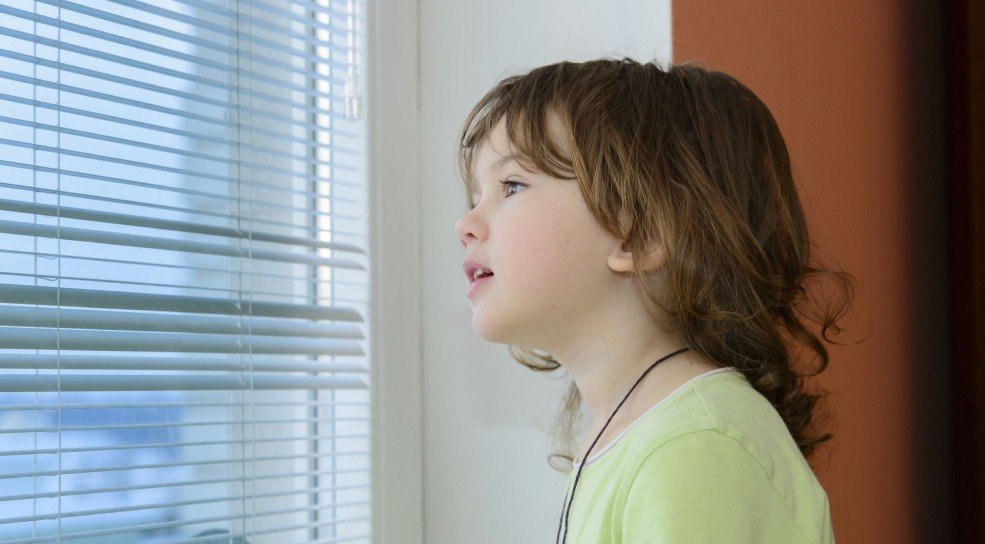
Child Safe Window Furnishings Sydney Homes Need
The right child safe window furnishings Sydney families choose can vary significantly between property types. Consider childsafe blinds alongside the room’s layout, furniture placement, privacy needs, and natural light.
A west-facing living room may need better control of strong afternoon glare, while a bedroom facing a neighbouring house may need adjustable privacy. In an apartment, there may be very little room between the sofa and the glass.
Sydney’s bright summer conditions can also make light control important in children’s rooms. A covering that reduces glare without leaving the room gloomy can be useful for afternoon naps, reading or homework.
This is also where child safe window coverings need to be considered as part of the whole room. Bedrooms, playrooms, studies and living areas all have different routines, even when their windows look similar.
Look at what the room actually needs before choosing a style. Blinds, shutters and other window furnishings should work with the property rather than forcing the room to suit one product.
Motorised Blinds Sydney Homes Are Choosing
Large or high windows can be awkward to operate manually. Motorised blinds Sydney homeowners choose can make sense when reaching the window involves stretching across furniture or using a ladder.
For some families, childsafe blinds with motorised operation can make everyday window adjustment easier, particularly where a large opening sits behind furniture or in a high-ceilinged room.
Consider a double-height living area or a bedroom with a large window behind a bed. Being able to adjust the covering without physically reaching the window can make everyday use much easier.
Motorisation can also suit changing sunlight. East-facing rooms may receive strong morning light, while west-facing rooms can become noticeably brighter and warmer later in the day.
For homeowners interested in smart-home features, motorised coverings can complement other connected systems. However, technology should solve a practical problem rather than being added simply because it is fashionable.
The control system, installation and window dimensions still need to suit the household.
Blind Cord Safety Starts With Placement
Blind cord safety is not only about the blind itself. A cord that seems unreachable can become accessible when a child climbs onto a nearby chair or sofa. NSW has mandatory safety requirements for blinds and curtains, including installation and labelling requirements for corded window coverings.
Correct installation reassures parents that cord safety measures are effective, reducing worries about accessible cords and loops.
At home, check the window again whenever the room changes. Pay particular attention to:
- cots and beds positioned near windows
- sofas and chairs children can climb onto
- loose or looped cords and chains
- damaged or ageing operating components
- furniture recently moved beneath a window.
For childsafe blinds, this room-level check matters because children become taller and more mobile surprisingly quickly. A setup that worked for a crawling baby may need reconsideration once they start climbing.
Blinds For Children’s Rooms Need Flexibility
Choosing blinds for children’s rooms involves more than matching the fabric to the bedding. The room will change as the child grows, and the window treatment needs to remain practical through those changes.
A nursery may contain a cot and a small storage unit. A few years later, the same room could have a bed, desk, bookshelves and much more furniture around the window.
| Room situation | Main consideration | Practical direction |
| Nursery | Cot and furniture placement | Keep operating parts inaccessible |
| Toddler bedroom | Climbing and exploring | Consider suitable cordless operation |
| School-age room | Study and play | Balance light control and usability |
| Teen bedroom | Privacy and screen glare | Consider adjustable light control |
| Shared bedroom | Different routines | Choose flexible window coverage |
childsafe blinds can remain part of that changing setup when you consider operating methods and installation alongside the room’s future use.
Light control becomes increasingly useful too. A bright window beside a study desk can create screen glare, while a teenager may want more privacy from nearby homes.
Roller Blinds Sydney Homes Can Style
When comparing roller blinds Sydney suppliers offer, safety does not mean choosing something that looks purely practical.
Roller blinds suit many contemporary interiors because their simple profile takes up little visual space. They can work particularly well in apartments, renovated terraces and family rooms with a clean, modern feel.
Fabric selection can change how the room behaves. A bright living area may need stronger glare control, while a bedroom overlooking neighbouring properties may need greater privacy.
For childsafe blinds, this creates an opportunity to combine practical operation with the home’s existing style. Warm neutral fabrics can complement timber floors, while lighter finishes can work with the relaxed interiors often found in coastal Sydney properties.
The useful question is not which blind looks best in a showroom. Consider how the window behaves at different times of day and how your family uses the room.
Safe Window Treatments For Kids Can Look Modern
The phrase safe window treatments for kids can suggest style must be sacrificed. Modern window furnishings make that unnecessary.
Sydney interiors increasingly favour simple profiles, warm neutrals, natural textures and less visual clutter. Those preferences can work comfortably with sensible window safety choices.
A narrow terrace bedroom may suit a simple blind that keeps the space visually open. A large family home may benefit from motorised coverings that avoid unnecessary controls around expansive windows.
childsafe blinds can also work in rooms where privacy matters. In established suburbs, neighbouring homes can sit surprisingly close to bedrooms and living areas, so adjustable coverings can provide privacy without keeping curtains closed all day.
The goal is not to make safety the visual focus. The window should feel like a well-designed part of the room.
Child Friendly Blinds For Busy Spaces
Children rarely stay in the room adults originally planned for them. A living room becomes a play area, the dining table becomes a homework desk, and a sunny window becomes a place to watch the street.
That makes child friendly blinds relevant beyond bedrooms and nurseries.
Sydney’s indoor-outdoor lifestyle makes this especially noticeable during warmer months. Children may move between living areas, courtyards and gardens throughout the day, turning windows and doors into busy parts of the home.
Existing window coverings also deserve attention. Families moving into an older property should inspect them rather than assuming they were selected with young children in mind.
If a new sofa, storage unit or desk has been added, check the window again. childsafe blinds may be suitable, but their safety also depends on what a child can reach from the surrounding furniture. Renters should check their tenancy arrangements before replacing or permanently altering existing window furnishings.
Professional Installation Matters At Home
A suitable product can still create problems if it is poorly measured or installed. This is especially relevant in older Sydney properties with unusual window dimensions, deep reveals, or uneven surfaces.
For childsafe blinds, the final installation should account for the actual window, furniture and room use rather than relying only on a product photograph.
Ask about the operating mechanism, relevant safety features and installation requirements before ordering. Tell the installer if a cot, bed or sofa needs to remain close to the window because the room has limited floor space.
Timbershades Group offers blinds, plantation shutters and motorised window furnishing options, allowing Sydney homeowners to consider safety alongside privacy, light control and interior style.
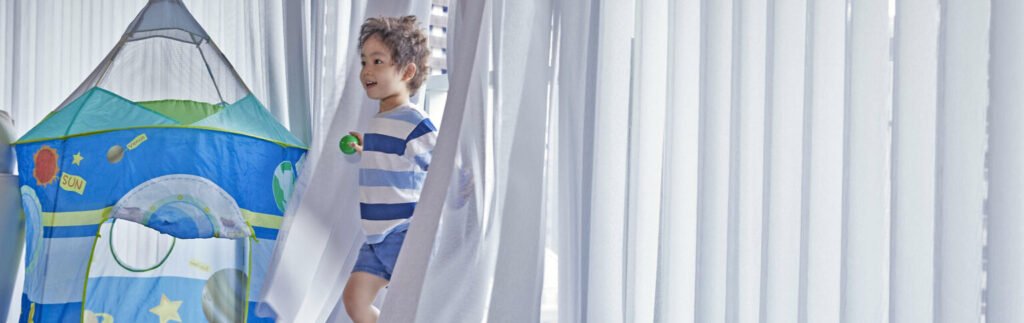
Making Window Safety Part Of Design
A family home can be safe without looking clinical. The better approach is to consider window safety while planning the room, rather than trying to fix problems after everything has been installed.
Before choosing a window treatment, look at:
- where children can sit, stand or climb
- how much sunlight enters the room
- whether privacy changes throughout the day
- where beds, sofas and desks will sit
- whether the window treatment will still work as the child grows.
Property type matters too. An apartment may need a different solution from a renovated terrace, while a large suburban home may have different requirements around expansive glazing.
When childsafe blinds are chosen with these details in mind, safety becomes part of the design rather than something added afterwards. The finished room can still feel comfortable, current and personal.
Conclusion
Window safety is about more than the blind. Operating methods, installation, furniture placement, sunlight, privacy and a child’s changing behaviour all influence how suitable a window treatment is for family life. Cordless options, appropriate motorisation and careful planning can reduce avoidable risks while keeping the interior stylish and practical.
For childsafe blinds suited to your property and lifestyle, contact Timbershades Group to discuss blinds, plantation shutters and motorised window furnishings across Sydney. The right solution should work with both your windows and the way your family lives.
Frequently Asked Questions
1. Are childsafe blinds safer for toddlers?
They can reduce risks associated with accessible cords when you choose the right product and installation. childsafe blinds should still be combined with sensible furniture placement around cots, beds, sofas and other climbable surfaces.
2. Are cordless blinds suitable for nurseries?
Yes, a suitable cordless system can remove an exposed operating cord from a nursery. The window still needs careful planning, and childsafe blinds should be installed with the cot and surrounding furniture considered together.
3. Can childsafe blinds work in apartments?
They can suit compact Sydney apartments where furniture often sits close to windows. Consider floor space, window height, daylight and privacy before choosing childsafe blinds that work with the existing room layout.
4. Do motorised options improve safety?
Motorisation can reduce reliance on accessible manual cords or chains, depending on the product. For large or high windows, suitable childsafe blinds with motorised operation can also make adjustment easier for adults.
5. Should older blinds be replaced?
Not automatically. Inspect existing coverings for loose cords, loops or damaged components and consider whether the layout still works for your family. Replacing them with childsafe blinds may be worthwhile when the current setup no longer suits.
6. How does furniture affect blind safety?
Furniture can give children extra height and make an otherwise inaccessible covering reachable. Before choosing a window treatment, check where beds, cots, sofas and bookshelves sit, then consider whether childsafe blinds suit that arrangement.