
Sydney’s bright climate makes natural light a valuable part of home design, but too much direct sunlight can quickly change how a glass room feels. Conservatory awnings can help control that exposure, enhancing comfort and energy efficiency without sacrificing the openness that makes these spaces attractive.
A conservatory may feel fresh during a winter morning and become noticeably warmer by late afternoon in summer. The difference is even more obvious when the room has a west-facing roof or large glass sections with little surrounding shade.
For Sydney homeowners, the answer is not necessarily to block sunlight all day. Better shading lets the room respond to changing conditions, whether it’s used as a home office, dining area, reading space, or extension of an outdoor entertaining area.
Choosing Conservatory Awnings For Sydney Homes
Sydney properties create very different shading challenges. A leafy suburban home may have established trees around its conservatory, while an inner-west terrace can have direct afternoon exposure with little space for additional screening.
Glazing orientation matters too. They can be particularly useful where sunlight reaches the room at difficult angles, especially during late afternoon when western exposure becomes intense.
Lifestyle also changes the requirement. A conservatory used as a home office needs manageable glare around a screen, while a dining space may need softer light across the table. Coastal properties also deserve attention to materials and finishes because exterior fittings face different environmental conditions.
Conservatory Shade Solutions For Daily Life
A conservatory often changes purpose throughout the day. It could be a breakfast spot before work, a desk during business hours, and a place to entertain friends in the evening.
That makes conservatory shade solutions more useful when they offer control, not just permanent coverage. Homeowners can feel assured they can manage sunlight to suit their needs throughout the day.
For example, conservatory awnings can be adjusted around the household routine instead of forcing people to keep curtains or blinds closed throughout the day.
This flexibility can matter in compact Sydney homes where every room needs to earn its space. A conservatory that stays comfortable longer becomes a practical part of the home, not a room used only when the weather happens to cooperate.
Conservatory Roof Awnings For Heat Control
The roof is often the hardest part of a glass room to manage because it can receive direct sunlight from above for hours. This is especially noticeable during Sydney’s warmer months.
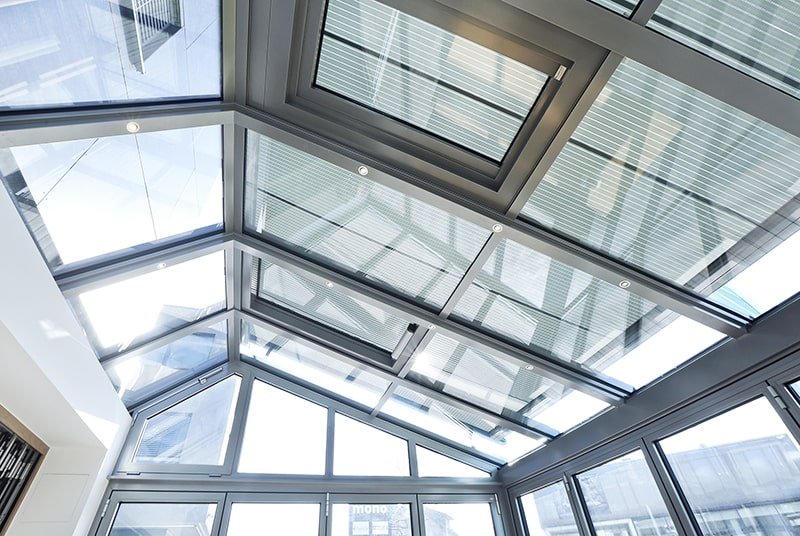
Conservatory roof awnings create an external barrier between the sun and roof glazing. By dealing with some sunlight before it reaches the glass, they can help limit the amount of solar heat entering the room. For this reason, conservatory awnings can be a practical addition where overhead exposure is a persistent concern.
The benefit can be useful in renovated older properties where a later glass extension does not perform thermally like the original structure. It can also complement newer glazing when strong summer exposure remains an issue.
The design still needs to suit the property. Proper measurements are essential to ensure the awning fits well and functions effectively, giving homeowners confidence in the solution’s reliability.
Controlling Sun Without Losing Light
The appeal of a conservatory comes from its connection with daylight and the outdoors. Completely blocking that light would remove part of the reason for having the room in the first place.
Conservatory sun protection should therefore focus on managing harsh exposure rather than eliminating daylight. This is particularly important in Sydney, where useful sunlight can change considerably between seasons.
A retractable system gives homeowners the option to change the room as conditions change. Conservatory awnings provide this flexibility, letting homeowners welcome winter sunlight while controlling stronger summer exposure when the room starts to feel uncomfortable.
For a professional working from home, this can also mean fewer monitor reflections. For a family, it can make an afternoon dining area more pleasant without closing the room off from the garden.
Where External Shading Works Best
Before choosing an awning, spend a few days noticing when the sun becomes a problem. The most exposed section may not be obvious from inside the room, so observing your property’s sun patterns helps select the most effective shading solution.
Conservatory awnings can perform differently depending on their position, coverage and relationship with the sun. A west-facing window may need more attention than a shaded northern wall, while a glazed roof can remain exposed even when nearby windows are protected. The Australian Government’s YourHome shading guide is also useful when considering how your home’s orientation affects shading needs.
Look at these practical points:
- West-facing glass: Low afternoon sun can create glare across seating areas and screens.
- Glazed roofs: Direct overhead sunlight can increase heat even when vertical windows are shaded.
- Surrounding buildings: Nearby properties can create shadows that change throughout the day.
- Established trees: Natural shade may reduce exposure during some seasons but provide less protection after pruning or leaf loss.
This approach is particularly useful for Sydney’s mixed housing landscape, where orientation and surrounding structures can vary significantly between suburbs.
Matching Custom Awnings To Your Property
A conservatory should look like part of the house, not an object added to it later. This matters when a glass extension sits against an older terrace, Federation-style property or recently renovated suburban home.
When comparing custom awnings Sydney options, consider the mounting position, projection, fabric, colour and relationship with nearby windows and doors.
Conservatory awnings can be designed around the actual structure rather than forcing a standard size into an unusual roof or glazing arrangement.
The surrounding environment matters as well. Homes near the coast may need suitable exterior finishes, while properties surrounded by trees may require a design that works around changing shade patterns.
A restrained installation often works best visually. The aim is to improve comfort while keeping the home’s existing architecture as the main feature.
Comparing Practical Awning Choices
Not every Sydney conservatory has the same problem. The table below shows how different property conditions can influence the shading approach.
| Sydney property situation | Common issue | Useful consideration |
| West-facing glass room | Strong afternoon glare | Adjustable external coverage |
| Glazed conservatory roof | Direct overhead sunlight | Roof-focused shading |
| Inner-city terrace | Limited natural shade | Compact custom installation |
| Leafy suburban property | Changing tree coverage | Flexible operation |
| Coastal home | Weather and salt exposure | Suitable durable materials |
| Home office conservatory | Screen glare | Controlled daytime shading |
The aim is to match conservatory awnings to the actual conditions rather than selecting a system because it looks good in a catalogue.
Making Awnings Work Harder
External shading can form part of a wider approach to indoor comfort. It should not, however, be expected to solve every temperature problem on its own.
UV protection awnings can help reduce direct exposure to ultraviolet radiation, which is relevant when sunlight reaches furniture, flooring and interior finishes for long periods. Exact performance varies between fabrics, so product specifications should always be checked.
Homeowners considering energy efficient awnings should also look at the rest of the room. Glazing, insulation, ventilation, and cooling all affect how much heat remains indoors.
In this context, conservatory awnings work as one layer of the home’s comfort strategy. They address direct solar exposure, while other building features manage airflow and retain heat.
Outdoor Shading Solutions Sydney Homes Need
A conservatory often opens onto a deck, courtyard, balcony or garden. Treating the glass room separately from these adjoining areas can make the overall space feel visually disconnected.
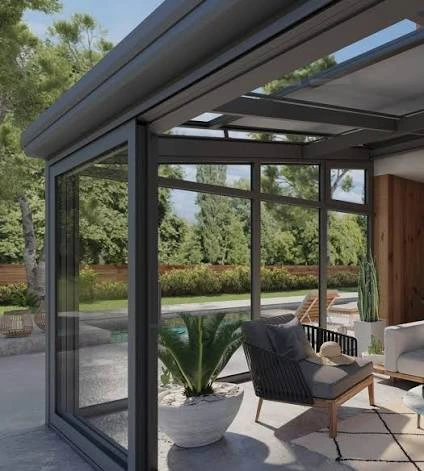
That is where outdoor shading solutions Sydney homeowners use can become part of a broader indoor-outdoor design. Matching colours and finishes can create a more consistent look between the conservatory and entertaining area.
Consider the wider space:
- A compact courtyard may benefit from flexible shading that keeps the area open when protection is unnecessary.
- A large deck may need broader coverage for afternoon entertaining.
- A coastal outdoor area may require finishes suited to more demanding conditions.
- A connected conservatory and patio may benefit from coordinated colours and materials.
When planned together, conservatory awnings can help the glass room transition more naturally into the home’s outdoor living space.
Making Glass Rooms More Usable
The real value of shading often shows up in everyday use. A room becomes more useful when people can work, eat, relax, or entertain there without constantly reacting to uncomfortable sunlight.
Retractable awnings Sydney homeowners consider can provide that flexibility because the shade level can change with the time of day and season.
For homes with awnings for glass rooms, the practical advantage can be particularly noticeable around work desks, dining tables and seating areas. Reducing direct glare may make screens easier to see, while controlling sunlight can make the room feel less exposed during hot afternoons.
Conservatory awnings can therefore help turn a glass extension from an occasional-use area into a more dependable part of the home.
Make Your Conservatory More Usable
Sydney’s strong sunlight, varied property styles and indoor-outdoor lifestyle make flexible shading a practical consideration for glass rooms. The right solution can help manage glare, solar exposure and heat while preserving the natural light that gives these spaces their appeal. Conservatory awnings can make that balance easier to achieve when the design suits the home’s orientation and everyday use.
Contact Timbershades Group to discuss a custom shading solution for your Sydney home and find an awning design suited to your property’s orientation, architecture and everyday lifestyle.