
Introduction: Why Windows Affect Home Comfort
A sunny Sydney home can feel wonderful in winter and uncomfortably hot by mid-afternoon in January. Honeycomb Blinds Sydney can help manage that change by adding an insulating layer between your room and the glass.
The issue becomes more obvious in homes with large windows, open-plan layouts and limited external shade. A west-facing lounge might collect afternoon heat for hours, while an apartment bedroom can receive early morning sun before the rest of the property warms up.
Window coverings do more than dress the glass; they help homeowners and property managers feel assured that they can control sunlight, privacy, and temperature easily, creating a more comfortable space.
How Honeycomb Blinds Sydney Manage Heat
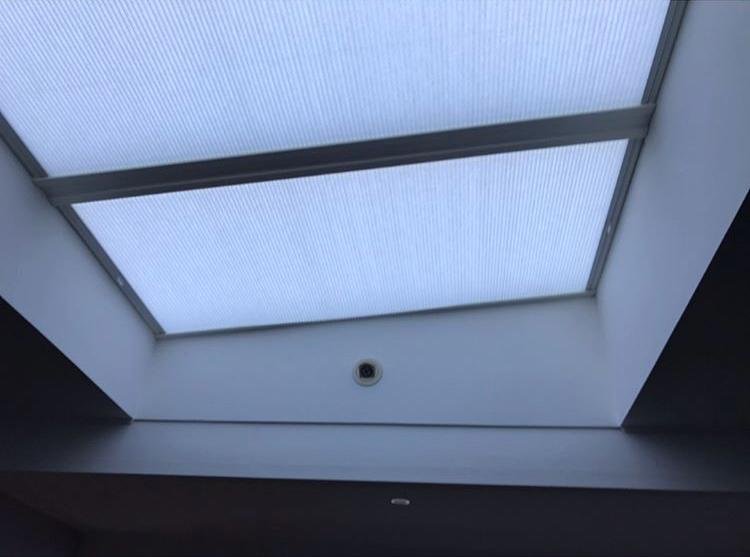
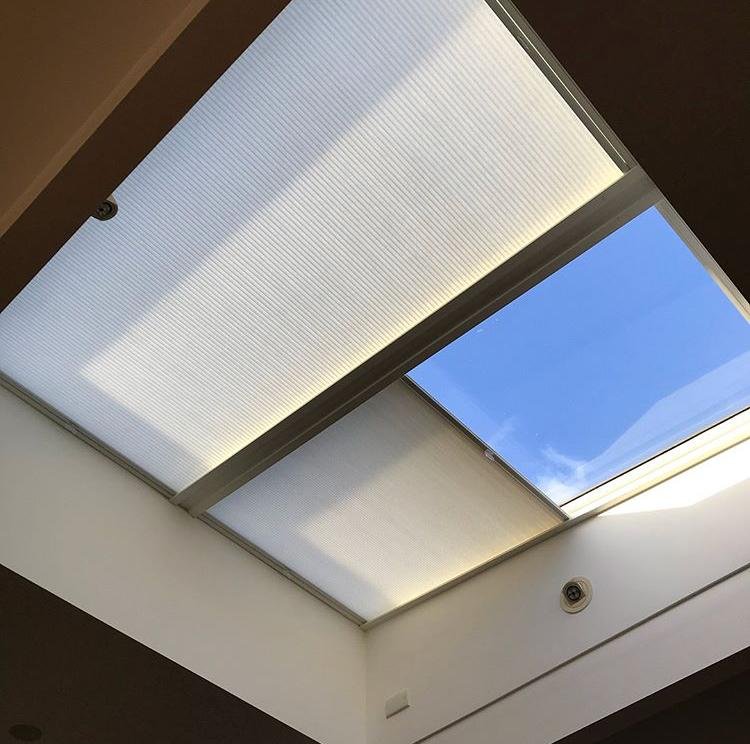
Honeycomb blinds use a cellular fabric made with air pockets inside. Those pockets create space between the room and the window, slowing heat transfer through the glass.
The difference can be useful in Sydney homes where certain windows behave very differently from others. A large western window, for instance, can absorb intense afternoon sun and leave nearby furniture, floors and walls feeling warm long after the sunlight has moved away.
With Honeycomb Blinds Sydney, closing the blind before peak sunlight hits the glass can help reduce the heat entering the room. During cooler weather, the same cellular structure provides another layer between the indoor air and colder glass.
Performance will vary. The glazing, frame, window size, blind fit, and amount of direct exposure all influence the result. A blind should therefore be viewed as one part of the home’s overall approach to thermal comfort, rather than a replacement for insulation or efficient glazing.
Choosing Honeycomb Blinds Sydney By Room
Start with what happens inside each room rather than trying to make every window identical.
Think about these situations:
- A west-facing office: Afternoon glare can make screens difficult to read and raise the temperature around your desk.
- An east-facing bedroom: Early sunlight can be disruptive, particularly during summer.
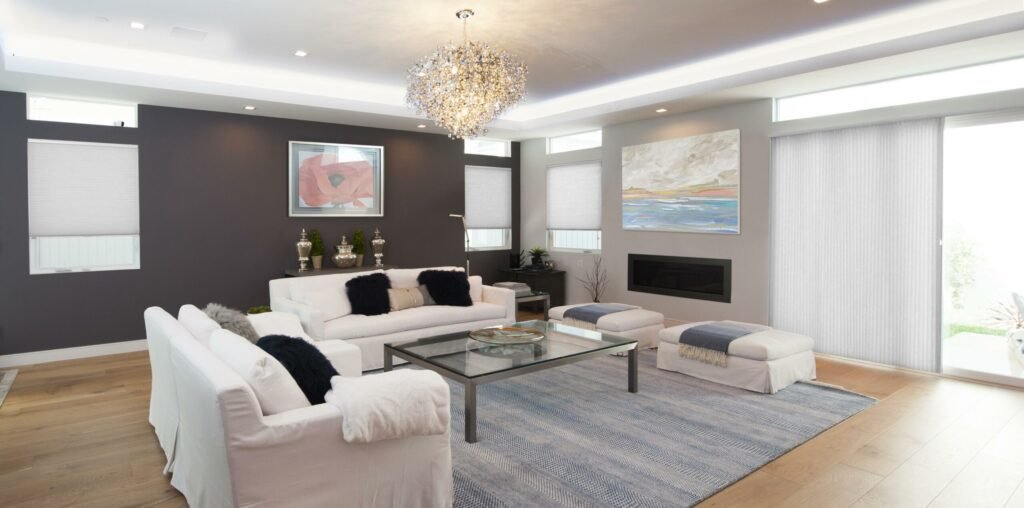
- An open-plan living room: Filtered daylight can keep the space bright without allowing strong sun to overwhelm it.
- A street-facing bedroom: Privacy can be as important as temperature and light control.
Property style matters too. An Inner West terrace, western Sydney townhouse and high-rise apartment can have different window proportions and solar exposure.
Honeycomb Blinds For Insulation In Sydney
Sydney doesn’t have the extreme winters of some Australian cities, but that doesn’t mean window insulation is irrelevant. A room can still feel noticeably cooler beside large panes of glass on a winter evening. Honeycomb Blinds Sydney can provide an additional layer between the room and the window, helping manage this temperature difference.
That is where honeycomb blinds for insulation can earn their place. Their cellular pockets hold air within the fabric, creating additional resistance between the interior and the window.
Summer creates the reverse problem. On a hot afternoon, particularly around exposed western or north-western windows, the glass can become a major source of indoor heat. Closing the blind at the right time can help reduce that solar gain before the room becomes uncomfortable.
Timing matters; closing the blind at the right moment helps homeowners feel confident they are actively managing indoor heat, making their space more comfortable year-round.
Open it when you want winter sun or morning daylight, then close it as outdoor conditions begin working against the room.
Energy Efficient Blinds Sydney For Home Offices
Working from home has changed how many Sydney residents experience their windows. A pleasant view can become a source of screen glare, heat and distraction during a long workday. Honeycomb Blinds Sydney can help manage these issues while keeping the room comfortable.
Good energy efficient blinds Sydney homeowners choose should support both comfort and the way the room is used. Strong afternoon sunlight can fall across a monitor, forcing you to adjust the screen, close curtains, or increase air conditioning.
Sunlight can also heat one side of a room while the rest remains comfortable, creating an uneven feel.
No blind guarantees lower energy bills. Glazing, roof insulation, ventilation, air-conditioning habits and outdoor shade all influence energy use. Energy efficient window coverings can support better control over indoor comfort.
Australia’s National Construction Code (NCC) includes residential energy-efficiency provisions that address the thermal performance of buildings and windows. Australian Building Codes Board – National Construction Code.
Thermal Blinds Sydney For Seasonal Changes
Sydney’s seasons are relatively moderate, yet homes still respond differently to summer heat and winter cold. Large glass areas can exaggerate those changes. Honeycomb Blinds Sydney can provide an extra layer of control year-round.
Thermal blinds Sydney homeowners consider can support both seasons because their cellular construction helps slow heat movement. In summer, closing blinds before strong afternoon sun reaches a western window can help limit heat entering through the glazing.
In winter, the concern changes. After sunset, windows can become noticeably cooler than the surrounding room. A cellular blind adds another layer between the indoor space and the glass, helping slow heat movement in the opposite direction.
Existing shade also matters. Mature trees may reduce direct sunlight, while exposed new developments can receive much stronger solar exposure. Nearby buildings can similarly shade apartment windows for part of the day.
The key question is how your windows behave as the weather changes.
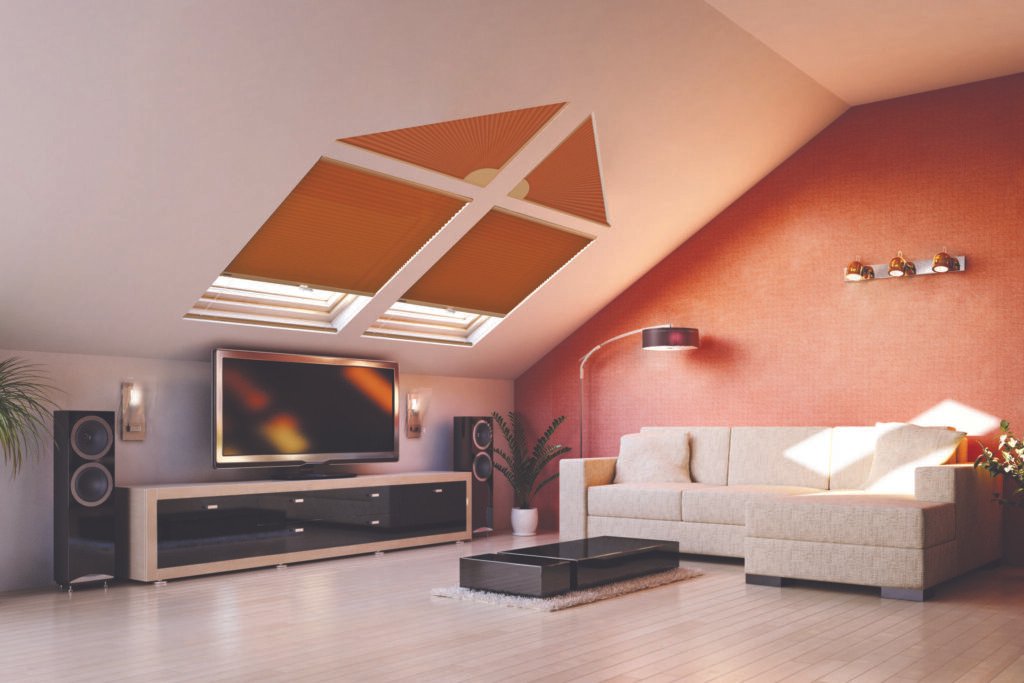
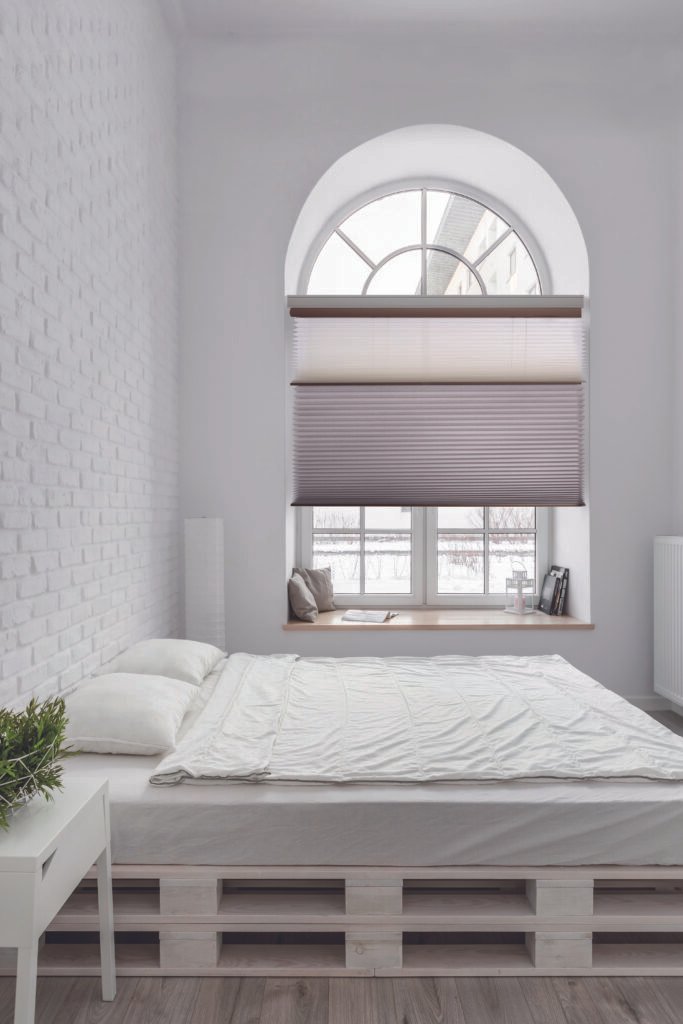
Light Filtering Honeycomb Blinds For Glare
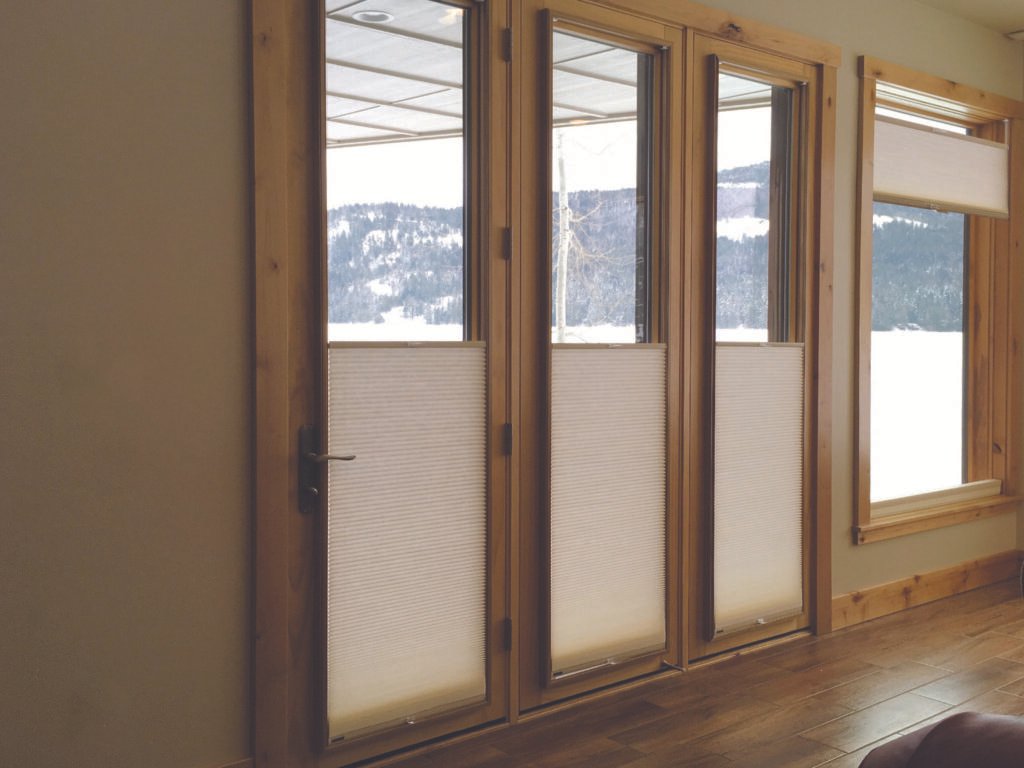
There is a big difference between a room being bright and a room being pleasant to work or relax in. Direct sunlight across a laptop, television, or polished surface can make an otherwise attractive space uncomfortable. Honeycomb Blinds Sydney can help soften that intensity while maintaining a clean look.
Light filtering honeycomb blinds can soften brightness without removing natural daylight altogether. This makes them particularly useful for living rooms and home offices where you still want a connection with the outdoors.
Instead of switching from completely open windows to heavy curtains, you can reduce light intensity while keeping the room visually bright. The clean profile also suits contemporary Sydney interiors with neutral walls, timber floors and stone surfaces.
For a home office, diffused daylight can reduce sharp screen reflections during the afternoon. Fabric should still match the window’s exposure, as a light-filtering option may provide less control on glass facing strong western sun.
Blackout Honeycomb Blinds For Bedrooms
Bedrooms have different requirements from living spaces. Early summer sunlight, street lighting and neighbouring properties can make it difficult to keep the room dark when you want to sleep.
Blackout honeycomb blinds can provide stronger light control, while Honeycomb Blinds Sydney solutions can also add another layer between the room and the window. They can work particularly well in east-facing bedrooms, children’s rooms and apartments where external light is harder to control.
Fit matters here. Even blackout fabric cannot block every ray if significant gaps remain around the edges, so accurate measurement is important. Choose blackout performance when darkness is a priority rather than simply assuming it is the best option for every room.
Comparing Insulating Window Blinds
There is more than one way to improve window performance. Insulating window blinds are one option, but other treatments may make more sense depending on the property and the problem you are trying to solve.
| Window treatment | Main advantage | Light control | Suitable Sydney application |
| Honeycomb blinds | Cellular insulation | Filter or blackout | Bedrooms, offices and living areas |
| Roller blinds | Clean, simple profile | Fabric dependent | Apartments and modern rooms |
| Plantation shutters | Adjustable privacy and light | Excellent | Renovated homes and established properties |
| Timber blinds | Natural appearance | Adjustable | Interiors using timber and warm finishes |
| Awnings | External sun protection | Strong | Exposed windows and outdoor areas |
For example, external shading can be valuable where a window receives intense direct sun. A bedroom may need blackout control instead, while a living area could benefit from softer daylight.
The point is to solve the window’s actual problem. Honeycomb Blinds Sydney can be a practical option when insulation and light control are both priorities, but the right treatment should always reflect the room’s specific needs.
Heat Reducing Blinds Sydney For West-Facing Rooms
If one window deserves closer attention in a Sydney home, look at the western elevation. Afternoon sunlight arrives after the outside temperature has already climbed, and large panes can continue transferring heat into a room even after direct sunlight has moved away.
That makes heat reducing blinds Sydney homeowners consider particularly relevant for western living rooms, studies and bedrooms.
The best approach starts before the room overheats. Closing a suitable blind as the afternoon sun approaches can reduce the direct exposure of the glass. Honeycomb Blinds Sydney can help manage this heat before it builds up indoors.
Waiting until the room is already hot is less effective because heat has already built up in surrounding surfaces. The property’s surroundings matter, too. A leafy suburb with mature street trees can provide valuable seasonal shade, while a new townhouse development with little established vegetation may have much more exposed glazing.
Look at your windows around 2 PM, 4 PM and early evening on a sunny day. Notice where the sunlight lands and which rooms become uncomfortable first. Those observations can guide a much more useful window-covering decision.
Custom Honeycomb Blinds Sydney For Modern Homes
Sydney homes rarely have identical windows throughout. Apartments may have broad glass doors, terraces can have tall traditional openings, while newer houses often combine narrow and oversized windows across the same floor.
Custom-made solutions let you measure the treatment to the individual window rather than relying on a standard size.
That matters for more than appearance. A properly measured blind can sit neatly within the available space, work around handles and furniture, and provide better control over unwanted light. It can also be tailored to suit different window sizes and room requirements.
Custom selection also helps maintain a consistent interior. A neutral fabric can suit a minimalist apartment, while a warmer tone may complement timber, stone and textured finishes. Consider operation before installation. Frequently opened windows may need easy-to-use treatments, while high bedroom windows may require a different arrangement.
Good measurement should account for these details before installation, so the finished result looks intentional and functions naturally.
Making The Right Choice For Sydney
Choosing Honeycomb Blinds Sydney is about matching each window to its needs. Orientation, glazing, shade, privacy, and daylight all influence the right choice.
A west-facing office may need glare control, while an east-facing bedroom may need blackout coverage. Start with the windows that cause the most discomfort, then choose accordingly.
Contact Timbershades Group to find a tailored solution for better light control, insulation and everyday comfort.
Frequently Asked Questions
Are honeycomb blinds effective in Sydney summers?
They can help reduce heat transfer through windows, particularly when used before strong direct sunlight reaches exposed glass. Their effectiveness depends on window orientation, glazing, fabric construction, installation, and the home’s existing insulation.
Do honeycomb blinds work during Sydney winters?
Yes. Cellular construction creates air pockets within the blind, providing an additional barrier between the room and cooler window glass. This can help slow heat loss, although the overall result depends on the property’s glazing and insulation.
Should west-facing windows use blackout fabric?
Not necessarily. Blackout fabric is useful where darkness matters, but a west-facing living room may benefit more from light filtering combined with strong solar control. The right choice depends on the room’s purpose and desired daylight level.
Are light filtering blinds suitable for working from home?
They can be. Light-filtering fabric can soften direct sunlight while retaining useful daylight, which may reduce harsh glare across monitors. However, rooms receiving intense afternoon sun may require a higher level of solar control.
Can custom blinds improve window coverage?
Yes. Custom measurement allows the blind to suit the window’s actual dimensions, reveal, and surrounding features. This can improve the finished appearance and help reduce unwanted light gaps compared with an unsuitable standard-sized treatment.
Do honeycomb blinds suit older Sydney homes?
They can work well in older properties, including renovated terraces, as long as the window dimensions and installation requirements are assessed properly. Their clean profile can also provide a contemporary finish without overwhelming traditional architectural details.