
By late afternoon, a west-facing Sydney room can feel completely different from how it did that morning. Timber venetian blinds Sydney homeowners choose can soften strong sunlight, improve privacy and keep the room looking warm without making the windows feel heavy.
That flexibility matters in a city where homes vary enormously. An Inner West terrace may have tall street-facing windows and close neighbours, while a new apartment can have broad glass openings exposed to intense afternoon sun. A Northern Beaches home may prioritise natural light and easy access to the outdoors.
Timber Venetian Blinds For Sydney Light
Sydney’s sunlight is not consistent throughout the day, and window orientation can make a noticeable difference to indoor comfort. East-facing windows catch stronger morning light, north-facing rooms can receive useful daylight for much of the year, while western glazing can bring intense low-angle sun later in the day.
This style of blind is useful in these situations because the slats can be tilted rather than raised or lowered. You can adjust their position as the sun moves, keeping some daylight while reducing glare across a sofa, television, or computer screen.
Picture a home office with a west-facing window. At 10 AM, the view may be perfectly comfortable. By 4 PM, sunlight could be reaching directly across the desk. Closing the blind eliminates glare but also blocks useful daylight. Tilting the slats gives you another option.
This flexibility is particularly useful during Sydney’s warmer months, when timber venetian blinds can help manage heat and glare without making interiors feel shut away. During cooler periods, you may want to make better use of available winter sunlight instead.
The key advantage is control. Adjusting sunlight to suit your comfort makes your home feel more welcoming and tailored to your needs.
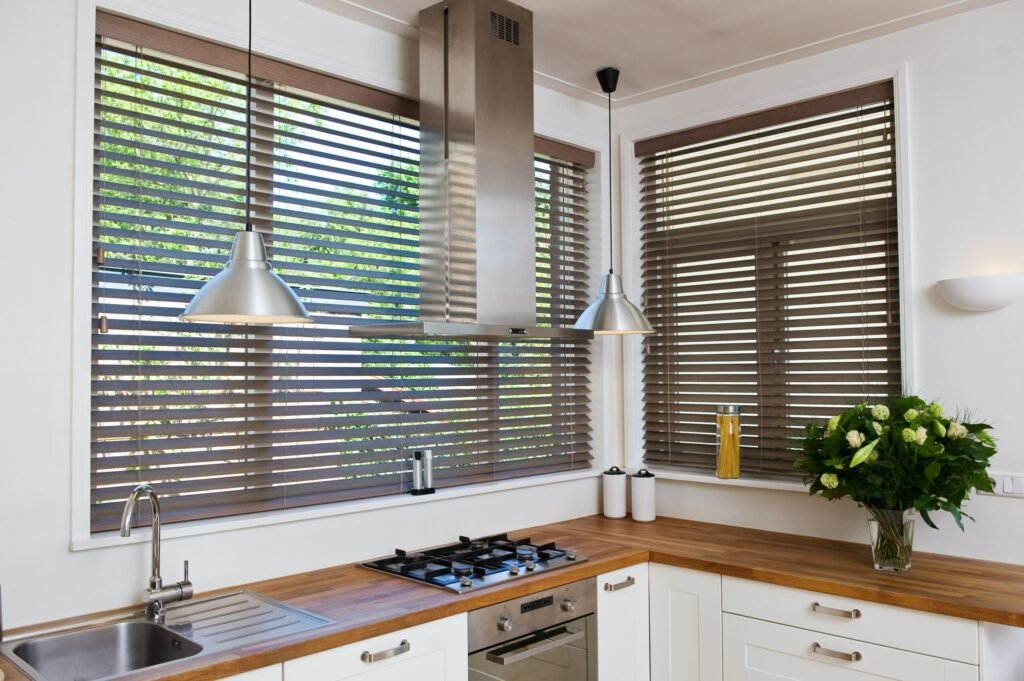
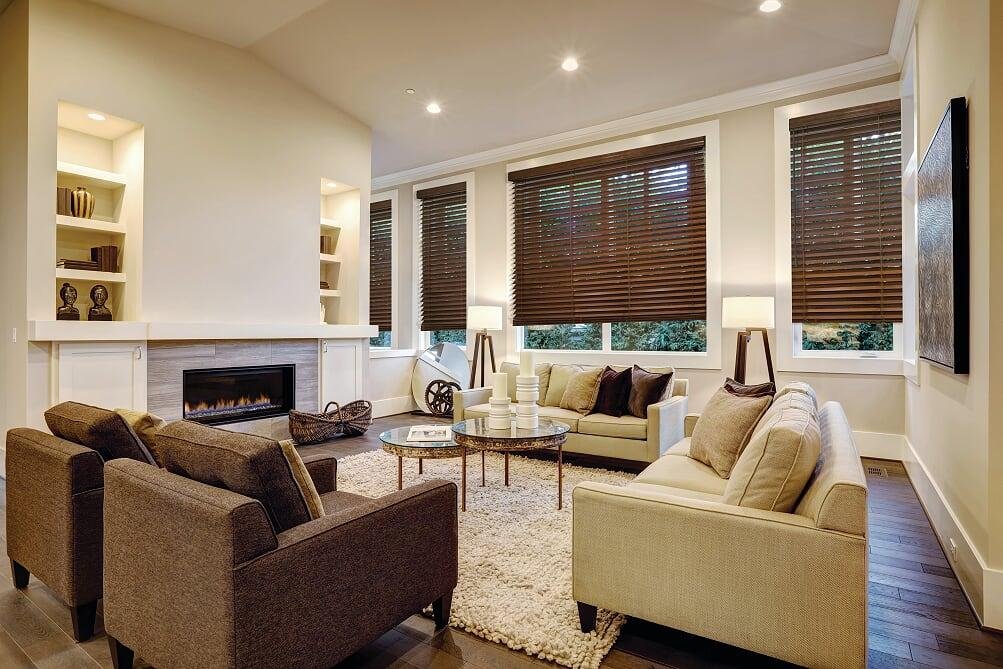
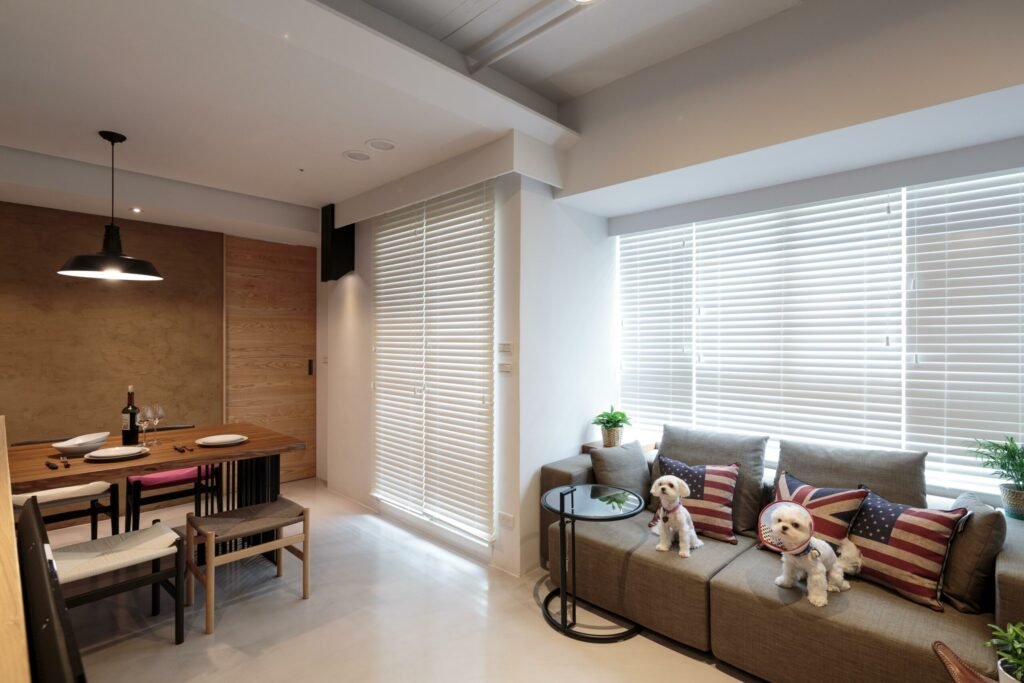
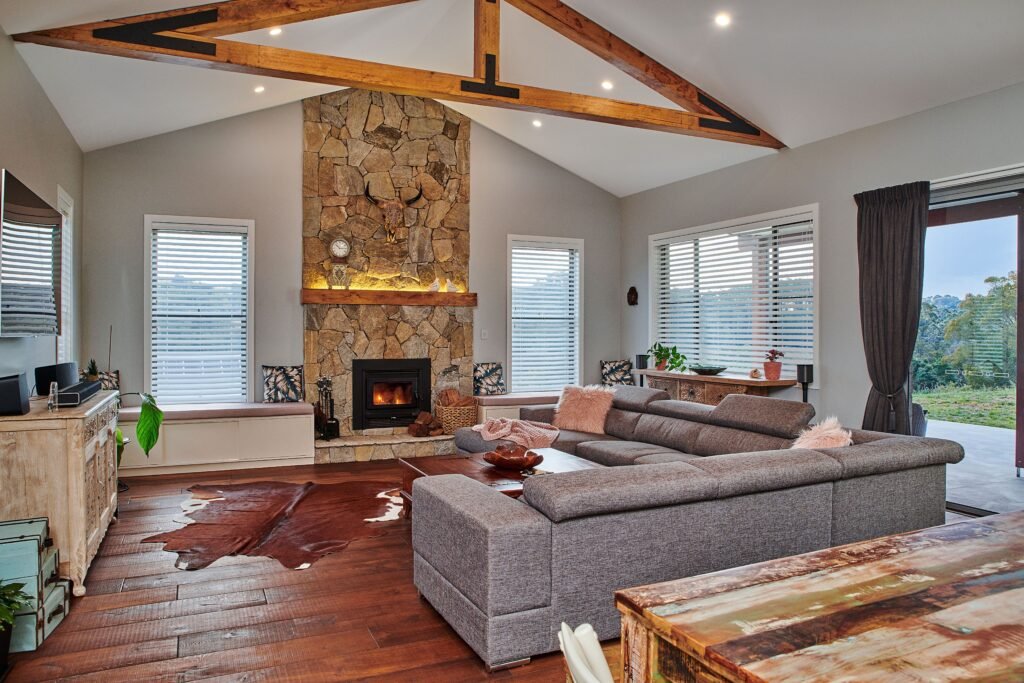
Wooden Venetian Blinds Warm Contemporary Rooms
Sydney interiors have moved towards warmer materials, softer colours and more natural textures, particularly in renovated homes and contemporary apartments. Wood fits comfortably within that direction without requiring an elaborate decorating scheme. When selecting timber blinds, considering their environmental impact and sourcing from sustainable forests can help you make an eco-friendly choice that aligns with your values.
Timber venetian blinds can soften the harder surfaces found in modern interiors, including stone benchtops, glass, polished floors and painted cabinetry. Their horizontal lines also work well with simple furniture, allowing the window treatment to feel deliberate without becoming the main feature. Additionally, understanding their maintenance needs and durability can help you ensure they remain a lasting, quality solution for your Sydney home.
Wooden blinds for Sydney homes can sit naturally in an Inner West terrace, beside original floorboards, exposed brick or heritage details. In a newer apartment, a pale or understated finish may work better with clean cabinetry and a neutral palette.
You do not necessarily need to match the blinds to your flooring. In fact, using slightly different but complementary timber tones can create more depth. Matching every timber surface exactly can sometimes make an interior feel too coordinated.
The window’s size matters too. A broad opening can carry a stronger timber finish, while a smaller bedroom window may benefit from a lighter tone that keeps the room visually open.
Think of the blind as part of the room’s material palette. When the finish relates to the floor, furniture and joinery, the result tends to look intentional rather than added at the end.
Choosing Timber Blinds Sydney Homes Need
A typical Sydney home is difficult to define. Detached houses, renovated Federation properties, terraces, townhouses, and apartments all create different window requirements.
Timber blinds Sydney homeowners choose should reflect those differences rather than relying on a standard approach for every room.
Take an Inner West terrace. Windows may sit close to the footpath, with neighbouring properties nearby. Privacy becomes important, particularly after sunset when interior lights make rooms more visible from outside. Timber venetian blinds can help manage that changing balance between privacy and daylight.
Now consider a newer apartment with floor-to-ceiling glazing. The challenge may be less about the street and more about neighbouring balconies, direct sunlight and maintaining a sense of openness within the living area.
A suburban family home creates another set of considerations. Large windows may overlook a garden, and the priority could be controlling afternoon glare while keeping the outlook available during the day.
Before selecting blinds, look at the room from several practical angles:
- Where does direct sunlight enter during the morning and afternoon?
- Can neighbours, pedestrians or nearby apartments see inside?
- Will furniture make the blind difficult to operate?
- Does the window need frequent adjustment throughout the day?
These questions can reveal more than choosing a blind based on appearance alone. The same product can behave very differently depending on the property.
Custom Timber Blinds For Awkward Windows
Not every Sydney window fits a neat standard rectangle. Older homes can have unusually tall openings, renovated properties may have different window sizes, and extensions often introduce new glazing that doesn’t perfectly match the original structure.
Custom timber blinds are especially valuable for interior designers, ensuring each window fits perfectly and enhances the overall style.
Consider a Federation or heritage-style property with tall windows and decorative timber surrounds. Timber venetian blinds can follow those existing proportions more neatly when the window is measured accurately. A treatment that is slightly too wide or poorly aligned can distract from those architectural details.
The same applies to modern homes with several large windows side by side. Even small height differences can become obvious when blinds are installed across the same wall.
Customisation can also account for practical details such as:
- Window handles and locks.
- Recess depth and frame dimensions.
- Nearby shelving or cabinetry.
- Furniture positioned close to the glass.
- Control access from desks, beds or seating areas.
This is especially valuable during renovations. If you are already choosing flooring, cabinetry, and wall finishes, you can plan window treatments alongside them rather than adding them as a final decision.
Custom does not mean every window needs to be completely different. It means each opening is measured and considered properly while the overall home maintains a consistent design language.
Better Screen Glare Control With Timber Window Blinds
For many Sydney professionals, the home office is no longer an occasional spare room. It can be a permanent part of the home, which makes window glare a surprisingly important design consideration.
Timber blinds for light control can be particularly useful in home offices, where adjustable slats help prevent strong daylight from falling directly across a laptop, monitor or television.
The difference can be noticeable during video meetings. A bright window behind you can make your camera image harder to manage, while direct sunlight on the screen can force you to move your desk or close the curtains completely.
Slat adjustment gives you a middle ground. With timber venetian blinds, you can reduce the most distracting light while keeping the room naturally illuminated.
The same approach works in living spaces. A television positioned opposite a bright window may become difficult to watch during certain hours, particularly when low afternoon sunlight enters from the west.
Sydney’s seasonal changes make this flexibility more useful. Sunlight’s position and strength vary through the year, so a setting that works perfectly in summer may not suit winter.
Rather than designing the room around one fixed lighting condition, adjustable window coverings let the space respond to the day.
50mm or 63mm Timber Slats?
Slat width changes a blind’s visual rhythm. It can make a window look more delicate, more architectural or more substantial, so the decision should relate to the room rather than being based purely on preference.
The two options often considered are 50mm timber venetian blinds and 63mm timber venetian blinds, with the better choice depending on the window’s scale and the character you want to create.
| Slat size | Visual character | Consider for |
| 50mm | Refined and versatile Bedrooms | studies and medium-sized windows |
| 63mm | Broader and more architectural | Large glazing and spacious living areas |
A 50mm slat is a flexible choice where you want the blind to sit comfortably within the interior without creating a dominant horizontal pattern. Timber venetian blinds with this width can work particularly well in bedrooms, studies and medium-sized windows.
A 63mm slat has greater visual weight. It can work particularly well on wide windows where smaller slats might create too many lines across a large expanse of glass.
Window height also matters. Tall glazing can generally accommodate a wider slat comfortably, while a smaller opening may benefit from the finer rhythm of a 50mm option.
Consider the finish alongside the width. A dark 63mm slat will make a much stronger statement than a pale 50mm finish, even though both use the same basic material.
If you are unsure, look at the window from across the room. The correct width should complement the architecture and furniture rather than compete with them.
Timber Blinds For Privacy And Light
Privacy is a moving target in Sydney. A ground-floor terrace, apartment balcony and suburban bedroom can all face completely different sightlines.
Timber blinds for privacy allow you to change those sightlines by adjusting the angle of the slats. Timber venetian blinds can keep this control practical without completely closing off the window. During the day, you might leave them partially open to enjoy daylight and the view. At night, you can close the angle further as interior lighting makes the room more visible from outside.
This is particularly relevant in established suburbs where homes can sit relatively close to one another. It can also matter in apartment buildings, where neighbouring balconies or windows may sit directly across from your own.
However, no blind should be presented as a universal privacy solution. The result depends on the window height, the position of surrounding buildings, the direction from which people can view the room, and how the slats are positioned.
A bedroom facing a footpath may require different privacy than a second-storey living room overlooking a backyard.
A professional assessment can therefore be worthwhile. Instead of simply asking whether a blind provides privacy, consider when you need privacy, where visibility occurs, and how much daylight you still want to retain.
Australian safety requirements apply to corded internal window coverings, so correct installation and cord management are essential where children are present.
Balance Your Windows With timber venetian blinds
Sydney homes need window treatments that respond to real conditions: strong afternoon sun, changing seasonal light, close neighbouring properties, different architectural styles and increasingly flexible ways of using rooms. Timber venetian blinds can bring those considerations together by giving you adjustable light control, useful privacy and a warm, contemporary finish.
The key decision isn’t simply whether timber looks good. Consider your property’s orientation, window proportions, privacy requirements, room function and surrounding materials before choosing the slat size and finish.
Contact Timbershades Group to discuss your Sydney windows and explore tailored timber blind options designed around your property, interior and everyday requirements.
Frequently Asked Questions
Are timber blinds suitable for Sydney’s climate?
Timber venetian blinds can suit many Sydney interiors, especially bedrooms, living rooms and studies. However, rooms exposed to regular moisture need careful product selection, suitable ventilation and appropriate maintenance to protect the timber and its finish.
Which window orientation needs the most attention?
West-facing windows often need careful consideration because low afternoon sunlight can create strong glare and heat. Timber venetian blinds can help manage changing light levels, although east, north and south-facing windows also have different lighting patterns.
Should I choose 50mm or 63mm slats?
50mm slats provide a balanced appearance across many window sizes, while timber venetian blinds with 63mm slats create broader horizontal lines. Larger windows often suit wider slats, but the room’s proportions and interior style should make the final decision.
Can timber blinds provide complete privacy?
They can improve privacy significantly by changing the angle of the slats, but complete privacy cannot be guaranteed in every situation. Timber venetian blinds can help manage sightlines, while window height, neighbouring properties, viewing angles and lighting conditions also influence the final result.
Are timber blinds suitable for home offices?
Yes. Timber venetian blinds can reduce direct sunlight and screen glare while allowing useful daylight to remain. This can be particularly helpful for Sydney professionals working from home, especially when desks face bright east- or west-facing windows.
Do timber blinds need to match the flooring?
No. Timber venetian blinds can coordinate with flooring without being an exact match. Choosing complementary timber tones often creates a more layered interior, while matching the finish too closely can sometimes make the room feel overly uniform.